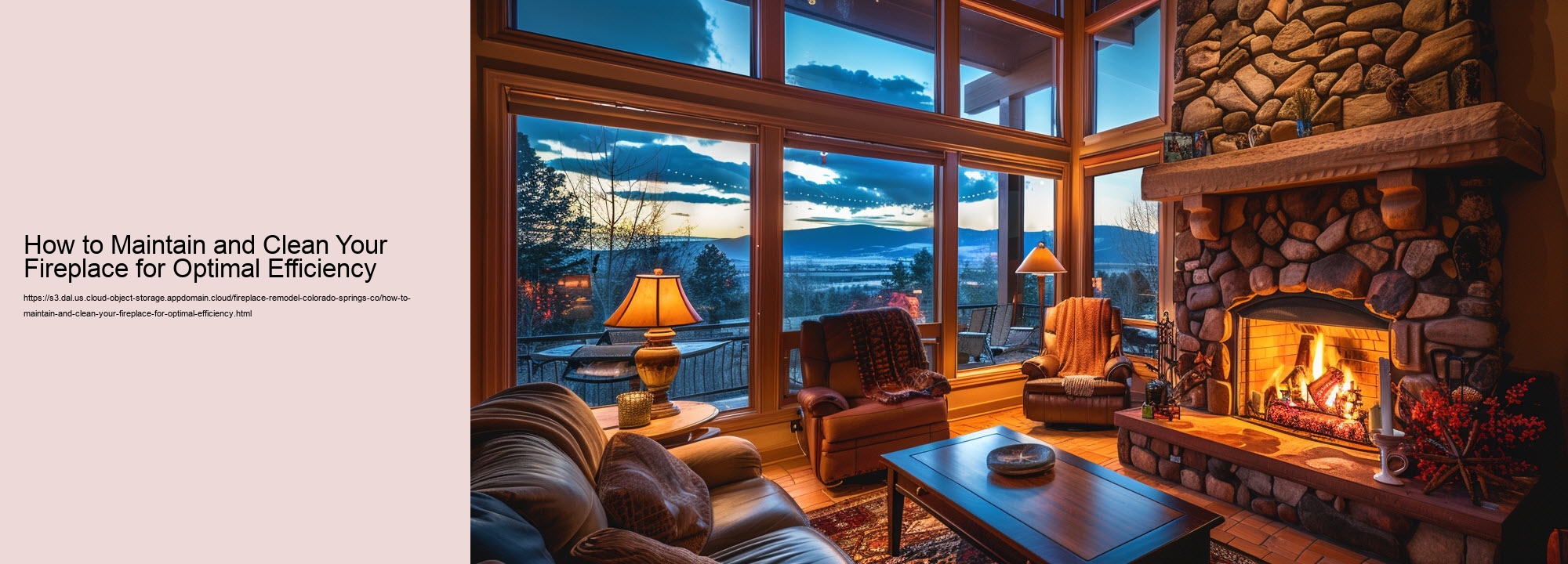
Clean the fireplace regularly to remove ash and debris
Maintaining and cleaning your fireplace is essential to ensure optimal efficiency and safety. The Pros and Cons of Wood-Burning Fireplaces . One important step in this maintenance routine is to regularly clean the fireplace to remove ash and debris.
By regularly cleaning out the ash and debris, you can prevent blockages in the flue and ensure proper airflow. This will help your fireplace burn more efficiently and reduce the risk of a chimney fire.
To clean the fireplace, first, make sure the fire is completely out and the ashes are cool. Use a fireplace shovel and brush to scoop out the ash and debris, being careful not to stir up any dust. Dispose of the ash in a metal container and store it outside away from your home.
It's also important to inspect the fireplace and chimney for any signs of damage or wear. Cracks or gaps in the masonry can lead to heat loss and potentially dangerous situations. If you notice any issues, it's best to consult a professional for repairs.
By taking the time to clean and maintain your fireplace regularly, you can enjoy a warm and cozy fire all winter long while ensuring the safety of your home and family.
Check and clean the chimney to prevent blockages
Maintaining and cleaning your fireplace is essential to ensure optimal efficiency and safety. One important task to include in your fireplace maintenance routine is checking and cleaning the chimney to prevent blockages.
Over time, creosote and soot can build up inside the chimney, potentially leading to blockages that restrict airflow and increase the risk of a chimney fire. Regularly inspecting and cleaning the chimney can help prevent these blockages and keep your fireplace operating smoothly.
To check the chimney, you can use a flashlight to look up into the flue or hire a professional chimney sweep to conduct a more thorough inspection. If you notice any build-up of creosote or soot, it's important to schedule a chimney cleaning to remove the debris and reduce the risk of blockages.
In addition to preventing blockages, cleaning the chimney can also improve the efficiency of your fireplace. A clean chimney allows for better airflow, which can help your fire burn more efficiently and produce more heat. This can ultimately save you money on energy costs and keep your home warmer during the winter months.
In conclusion, checking and cleaning the chimney is a crucial step in maintaining your fireplace for optimal efficiency. By taking the time to inspect and clean the chimney regularly, you can reduce the risk of blockages, improve airflow, and ensure that your fireplace operates safely and efficiently for years to come.
Inspect the fireplace for any damage or wear
To ensure your fireplace is running efficiently and safely, it is important to regularly inspect it for any signs of damage or wear. A quick visual check can often reveal any issues that may be impacting its performance. Look for cracks in the bricks or mortar, loose or missing tiles, and any buildup of soot or debris.
If you notice any damage or wear, it is important to address it promptly to prevent further issues. Cracks in the bricks or mortar can lead to heat escaping and potentially starting a fire. Loose tiles can also be a safety hazard if they were to fall out while the fireplace is in use.
Regular cleaning of the fireplace is also essential for optimal efficiency. Soot and debris can build up over time and block airflow, reducing the fireplace's ability to heat your home effectively. Use a vacuum or brush to remove any buildup and ensure that the air vents are clear.
By staying on top of maintenance and cleaning tasks, you can ensure that your fireplace remains in good working condition and continues to provide warmth and ambiance for years to come. Remember to always follow manufacturer guidelines and consult a professional if you are unsure about any aspect of fireplace maintenance.
Use the right kind of wood for burning
When it comes to maintaining and cleaning your fireplace for optimal efficiency, one crucial factor to consider is using the right kind of wood for burning. The type of wood you use can greatly impact the performance of your fireplace and the quality of heat it produces.
To ensure your fireplace operates efficiently, it's important to use seasoned hardwoods such as oak, maple, or ash. These woods burn hotter and cleaner, producing less creosote buildup in your chimney and reducing the risk of chimney fires. Avoid using softwoods like pine or cedar, as they burn quickly and can cause dangerous creosote buildup.
In addition to using the right kind of wood, it's essential to properly store and season your firewood. Wood should be stored in a dry, well-ventilated area for at least six months to a year before use. Seasoned wood burns more efficiently and produces less smoke and creosote.
Regular cleaning and maintenance of your fireplace are also crucial for optimal efficiency. Make sure to have your chimney inspected and cleaned annually by a professional chimney sweep to remove any built-up creosote and debris. Clean out the ashes from your fireplace regularly to ensure proper airflow and combustion.
By using the right kind of wood for burning, properly storing and seasoning your firewood, and maintaining your fireplace through regular cleaning and inspections, you can ensure that your fireplace operates at optimal efficiency, keeping you warm and cozy throughout the winter months.
Ensure proper ventilation for efficient burning
When it comes to maintaining and cleaning your fireplace for optimal efficiency, one crucial aspect to keep in mind is ensuring proper ventilation for efficient burning. Proper ventilation is essential for allowing the fire to burn cleanly and effectively, as well as preventing the build-up of harmful gases like carbon monoxide.
To ensure proper ventilation, make sure that the damper is fully open before starting a fire. This will allow for a steady flow of air into the fireplace, helping the fire to burn more efficiently. Additionally, it is important to regularly check and clean the chimney to remove any obstructions that could impede proper airflow.
Inadequate ventilation can lead to a build-up of creosote, a highly flammable substance that can pose a serious fire hazard. By maintaining proper ventilation, you can reduce the risk of dangerous chimney fires and ensure that your fireplace operates at its peak efficiency.
Overall, proper ventilation is a key component of maintaining and cleaning your fireplace for optimal efficiency. By following these guidelines and taking the necessary precautions, you can enjoy a safe and efficient fireplace that provides warmth and comfort for years to come.
Clean the glass doors and surrounding area
Maintaining and cleaning your fireplace is essential to ensure optimal efficiency and safety. One important aspect of fireplace maintenance is cleaning the glass doors and the surrounding area. Over time, soot, dirt, and debris can accumulate on the glass doors, obstructing the view of the fire and reducing the efficiency of your fireplace.
To clean the glass doors, start by allowing the fireplace to cool completely. Use a glass cleaner specifically designed for fireplaces or a mixture of vinegar and water to gently scrub away the buildup. Avoid using abrasive materials or harsh chemicals, as they can damage the glass. Once the doors are clean, dry them thoroughly with a soft cloth to prevent streaks.
In addition to cleaning the glass doors, it's important to also clean the surrounding area of the fireplace. Dust and debris can collect on the hearth, mantel, and any decorative items near the fireplace, which can pose a fire hazard. Use a vacuum or a damp cloth to remove any dirt and dust from these surfaces regularly.
By maintaining a clean fireplace, you can ensure that it operates efficiently and safely. Regular cleaning not only improves the appearance of your fireplace but also prolongs its lifespan. So, make it a habit to clean the glass doors and surrounding area of your fireplace regularly to enjoy cozy fires and peace of mind.
Consider hiring a professional for annual maintenance
Maintaining and cleaning your fireplace is essential for keeping it running efficiently and safely. While it's possible to do some maintenance tasks yourself, hiring a professional for annual maintenance is highly recommended.
A professional fireplace technician has the knowledge and experience to thoroughly inspect and clean your fireplace, ensuring that it is in optimal working condition. They can identify any potential issues or safety hazards that you may not be aware of, and address them before they become major problems. Additionally, a professional can make adjustments to improve the efficiency of your fireplace, helping you save on energy costs in the long run.
Annual maintenance by a professional can also extend the lifespan of your fireplace and prevent costly repairs down the line. By investing in regular maintenance, you can enjoy a warm and cozy fire without worrying about safety or performance issues.
In conclusion, while it's important to perform regular maintenance on your fireplace, consider hiring a professional for annual maintenance to ensure that your fireplace is clean, safe, and running efficiently. It's a small investment that can make a big difference in the long-term performance of your fireplace.
Keep the area around the fireplace clear of clutter and flammable materials
One important aspect of maintaining and cleaning your fireplace for optimal efficiency is to keep the area around it clear of clutter and flammable materials. This is crucial for both safety and performance reasons.
Clutter around the fireplace can easily catch fire if a spark flies out and lands on it. This can be dangerous not only for your home, but for your family as well. By keeping the area around the fireplace clear, you reduce the risk of a fire starting and spreading.
In addition to safety concerns, clutter and flammable materials can also affect the efficiency of your fireplace. When the area around the fireplace is cluttered, it can restrict airflow and prevent the fire from burning properly. This can result in a less efficient fire that produces more smoke and less heat.
To maintain and clean your fireplace for optimal efficiency, make sure to regularly check the area around it and remove any clutter or flammable materials. This simple step can help keep your fireplace running smoothly and safely for years to come.