Creating a beautiful and harmonious garden is a rewarding endeavor that can bring a sense of peace and joy to any homeowner. Types of Landscape Stones Available Locally . One of the key elements in achieving this is selecting the right landscape stone. Whether you're creating a serene Zen garden, a rustic rockery, or a vibrant flower bed border, the choice of stone can profoundly affect the aesthetics and functionality of your outdoor space. Here's a guide to help you choose the perfect landscape stone for your garden.
Understanding Your Landscape Needs
Before diving into the types of stones available, it's essential to assess your garden's needs. Consider the following:
Purpose: Determine what role the stone will play in your garden. Are you using it for pathways, retaining walls, decorative accents, or water features? Each purpose may require a different type of stone.
Aesthetic: What style are you aiming for? Stones come in various colors, shapes, and sizes, each contributing to a different look-be it modern, rustic, natural, or formal.
Climate: The local climate can affect your choice. Some stones may weather poorly in extreme temperatures, while others may become slippery when wet.
Budget: Stones range from affordable to quite expensive, so it's important to have a budget in mind.
Types of Landscape Stones
Gravel: Ideal for pathways and driveways, gravel is cost-effective and provides excellent drainage. It comes in a range of colors and sizes, allowing for customization.
River Rock: These smooth, rounded stones are perfect for water features or as mulch in planting beds. They add a natural look and come in various earthy hues.
Flagstone: Known for its flat shape, flagstone is excellent for patios and pathways. It provides a natural, rustic look and is available in various colors like red, blue, and gray.
Limestone: With its light color and smooth texture, limestone is often used for retaining walls and pathways. It's durable and adds a classic touch to any garden.
Slate: This stone is perfect for creating elegant walkways and patios. Its rich, dark color and natural sheen make it a popular choice for contemporary gardens.
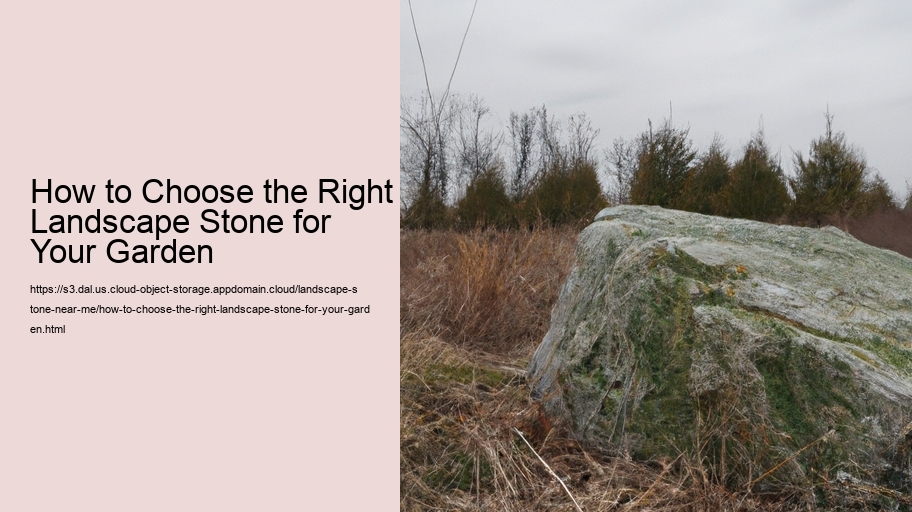
Boulders: These large stones can serve as focal points in your garden. They add height and interest, and can also be used to create natural seating.
Practical Considerations
Durability: Consider how much wear and tear the stones will endure. Pathways and high-traffic areas require more durable stones.
Maintenance: Some stones require more maintenance than others. Gravel might need occasional raking, while moss-covered boulders might need cleaning.
Installation: Some stones are easier to install than others. Flagstone and pavers may require precise placement and leveling, while gravel is relatively easy to spread.
Environmental Impact: Consider sourcing stones locally to reduce transportation emissions and support local businesses. Also, some stones are harvested more sustainably than others.
Bringing It All Together
Once you've considered these factors, it's time to bring your vision to life. Create a sketch of your garden design, marking where each type of stone will go. Consider how they will interact with plants, water features, and other garden elements. Remember that the right landscape stone should complement the natural beauty of your garden, not overshadow it.
In conclusion, choosing the right landscape stone for your garden is both an art and a science. By understanding your needs, exploring your options, and considering practical factors, you can create an outdoor space that is both beautiful and functional. With the right stones, your garden can become a sanctuary that reflects your personality and enhances your home's landscape for years to come.
